
Bioelectrochemical transformation of synthetic waste from the Vaal region: effects of acetic acid, sugar, and salt on biogas production and electricity generation using a microbial fuel cell

Authors

  • Wato Nathan Fundji
    Department of Chemical and Metallurgical Engineering, Faculty of Engineering and Technology, Vaal University of Technology, Private Bag X021, Andries Potgieter Blvd, Vanderbijlpark 1911, Gauteng, South Africa
  • Kitenge Marie Ngoie
    Department of Industrial Engineering, Operations Management and Mechanical Engineering, Faculty of Engineering and Technology, Vaal University of Technology, Private Bag X021, Andries Potgieter Blvd, Vanderbijlpark 1911, Gauteng, South Africa
  • Kabamba Arthur Makenda
    Department of Natural Sciences, Faculty of Applied and Computer Sciences, Vaal University of Technology, Private Bag X021, Andries Potgieter Blvd, Vanderbijlpark 1911, Gauteng, South Africa
  • John Kabuba
    Department of Chemical and Metallurgical Engineering, Faculty of Engineering and Technology, Vaal University of Technology, Private Bag X021, Andries Potgieter Blvd, Vanderbijlpark 1911, Gauteng, South Africa

Keywords:

Biogas, Microbial Fuel Cell, Vaal region, Wastewater

Abstract

This study investigated the effects of common domestic organic modifiers---acetic acid, brown sugar, and table salt---on the electrochemical, physicochemical, and bioenergetic characteristics of low-strength synthetic wastewater in a microbial fuel cell (MFC). Four wastewater matrices representing sewage from the Vaal region were prepared and maintained under anoxic conditions for 30 days. Maximum biogas production of 189 ppm and electrical output of 164 mV were recorded, indicating substrate-selective microbial activity. Fourier transform infrared spectroscopy (FTIR) confirmed structural changes in functional moieties in suspended solids and showed that salt and sugar were completely solubilized. Although biochemical oxygen demand ( < 0.3 mg L-1) and chemical oxygen demand ( < 5 mg L-1) were extremely low, the resident microbial communities remained electroactive, indicating that the MFC could recover energy even from matrices with low biodegradability. Response surface methodology (RSM) based on a central composite design (CCD) was used to model and optimize the effects of pH, exposure time, and substrate concentration on conductivity, total dissolved solids, and oxidation--reduction potential. Strong quadratic and interaction effects (p < 0.0001) indicated nonlinear interactions between redox potential and ionic strength. These findings suggest that low-cost additive strategies may improve MFC performance in dilute effluents from the Vaal region and support decentralized wastewater-to-energy applications.
Dimensions

[1] N. Bazina, T. G. Ahmed, M. Almdaaf, S. Jibia & M. Sarker, ``Power generation from wastewater using microbial fuel cells: A review'', Journal of Biotechnology 374 (2023) 17. https://doi.org/10.1016/j.jbiotec.2023.07.006.

[2] S. M. Daud, Z. Z. Noor, N. S. A. Mutamim, N. H. Baharuddin, A. Aris, A. N. M. Faizal, R. S. Ibrahim & N. S. Suhaimin, ``A critical review of ceramic microbial fuel cell: Economics, long-term operation, scale-up, performances and challenges'', Fuel 365 (2024) 131150. https://doi.org/10.1016/j.fuel.2024.131150.

[3] P. Jalili, A. Ala, P. Nazari, B. Jalili & D. D. Ganji, ``A comprehensive review of microbial fuel cells considering materials, methods, structures, and microorganisms'', Heliyon 10 (2024) e25439. https://doi.org/10.1016/j.heliyon.2024.e25439.

[4] R. S. Pandya, T. Kaur, R. Bhattacharya, D. Bose & D. Saraf, ``Harnessing microorganisms for bioenergy with microbial fuel cells: Powering the future'', Water-Energy Nexus 7 (2024) 1. https://doi.org/10.1016/j.wen.2023.11.004.

[5] N. Rathinavel, A. Veleeswaran, Y. Rathinam & A. Alagarsamy, ``Turning waste into watt: Usage of natural biomass activated carbon-based anode and septic tank wastewater for microbial fuel cell (MFC) based electricity generation'', Carbon Trends 19 (2025) 100461. https://doi.org/10.1016/j.cartre.2025.100461.

[6] S. Goel, ``From waste to watts in micro-devices: Review on development of membraned and membraneless microfluidic microbial fuel cell'', Applied Materials Today 11 (2018) 270. https://doi.org/10.1016/j.apmt.2018.03.005.

[7] P. V. Nidheesh, S. O. Ganiyu, C. Kuppam, E. Mousset, N. Samsudeen, H. Olvera-Vargas & G. Kumar, ``Bioelectrochemical cells as a green energy source for electrochemical treatment of water and wastewater'', Journal of Water Process Engineering 50 (2022) 103232. https://doi.org/10.1016/j.jwpe.2022.103232.

[8] D. Bose, R. Bhattacharya, M. Gopinath, A. Sarkar, R. S. Pandya & A. Jaiswal, ``Advances in microbial fuel cell technologies for bioremediation and energy recovery from wastewater'', Sustainable Chemistry for the Environment 11 (2025) 100266. https://doi.org/10.1016/j.scenv.2025.100266.

[9] A. Mahmoudi, S. A. Mousavi & P. Darvishi, ``Performance and recent development in sewage sludge-to-bioenergy using microbial fuel cells: A comprehensive review'', International Journal of Hydrogen Energy 50 (2024) 1432. https://doi.org/10.1016/j.ijhydene.2023.10.338.

[10] C. Montoya-Vallejo, J. C. Quintero Díaz, Y. A. Yepes & F. J. Fernández-Morales, ``Microalgal microbial fuel cells: A comprehensive review of mechanisms and electrochemical performance'', Applied Sciences 15 (2025) 3335. https://doi.org/10.3390/app15063335.

[11] J. E. Álvarez-Ley, R. I. Méndez-Novelo, G. Giácoman-Vallejos, L. A. Paniagua Solar & L. San-Pedro, ``Microbial fuel cells for power generation and wastewater treatment: A review of components, performance and sustainability'', International Journal of Hydrogen Energy 137 (2025) 429. https://doi.org/10.1016/j.ijhydene.2025.05.140.

[12] M. Verma & V. Mishra, ``Recent trends in upgrading the performance of yeast as electrode biocatalyst in microbial fuel cells'', Chemosphere 284 (2021) 131383. https://doi.org/10.1016/j.chemosphere.2021.131383.

[13] H. Huang, Y. Yang, S. Yang, X. Yang, Y. Huang, M. Dong, S. Zhou & M. Xu, ``Filamentous electroactive microorganisms promote mass transfer and sulfate reduction in sediment microbial electrochemical systems'', Chemical Engineering Journal 466 (2023) 143214. https://doi.org/10.1016/j.cej.2023.143214.

[14] S. Saadia, B. Houcine, B. Abdelhak & M. Ahmed, ``Optimization of factors affecting biogas production from dairy wastewater using response surface methodology and its kinetic and microbial analysis'', Results in Engineering 26 (2025) 104781. https://doi.org/10.1016/j.rineng.2025.104781.

[15] T. Ngoc-Dan Cao, S.-S. Chen, H.-M. Chang, S. Sinha Ray, F. I. Hai, T. Xuan Bui & H. Mukhtar, ``Simultaneous hexavalent chromium removal, water reclamation and electricity generation in osmotic bio-electrochemical system'', Separation and Purification Technology 263 (2021) 118155. https://doi.org/10.1016/j.seppur.2020.118155.

[16] S. Szakács, E. O. Martínez, L. Koók, G. M. Santos, J. T. Alarcon, D. Jeison, Z. Pientka, N. Nemestóthy, K. Bélafi-Bakó & P. Bakonyi, ``Biofouling-focused assessment of a novel, cellulose-based ionogel membrane applied in a microbial fuel cell'', Bioresource Technology Reports 26 (2024) 101817. https://doi.org/10.1016/j.biteb.2024.101817.

[17] P. G. Zadeh, S. Rezania, M. Fattahi, P. Dang, Y. Vasseghian & T. M. Aminabhavi, ``Recent advances in microbial fuel cell technology for energy generation from wastewater sources'', Process Safety and Environmental Protection 189 (2024) 425. https://doi.org/10.1016/j.psep.2024.06.077.

[18] A. Colombo, A. Schievano, S. P. Trasatti, R. Morrone, N. D'Antona & P. Cristiani, ``Signal trends of microbial fuel cells fed with different food-industry residues'', International Journal of Hydrogen Energy 42 (2017) 1841. https://doi.org/10.1016/j.ijhydene.2016.09.069.

[19] B. Christgen, M. Spurr, E. M. Milner, P. Izadi, C. McCann, E. Yu, T. Curtis, K. Scott & I. M. Head, ``Does pre-enrichment of anodes with acetate to select for Geobacter spp. enhance performance of microbial fuel cells when switched to more complex substrates?'', Frontiers in Microbiology 14 (2023) 1199286. https://doi.org/10.3389/fmicb.2023.1199286.

[20] S. Thakur, R. K. Calay, M. Y. Mustafa, F. E. Eregno & R. R. Patil, ``Importance of substrate type and its constituents on overall performance of microbial fuel cells'', Current Research in Biotechnology 9 (2025) 100272. https://doi.org/10.1016/j.crbiot.2025.100272.

[21] Z. Lin, S. Cheng, Y. Sun, H. Li & B. Jin, ``Realizing BOD detection of real wastewater by considering the bioelectrochemical degradability of organic pollutants in a bioelectrochemical system'', Chemical Engineering Journal 444 (2022) 136520. https://doi.org/10.1016/j.cej.2022.136520.

[22] G. Wei, T. Wei, Z. Li, C. Wei, Q. Kong, X. Guan, G. Qiu, Y. Hu, C. Wei, S. Zhu, Y. Liu & S. Preis, ``BOD/COD ratio as a probing index in the O/H/O process for coking wastewater treatment'', Chemical Engineering Journal 466 (2023) 143257. https://doi.org/10.1016/j.cej.2023.143257.

[23] L. R. B. Rebello, T. Siepman & S. Drexler, ``Correlations between TDS and electrical conductivity for high-salinity formation brines characteristic of South Atlantic pre-salt basins'', Water SA 46 (2020) 1. https://doi.org/10.17159/wsa/2020.v46.i4.9073.

[24] N. Skibbe, T. Günther, K. Schwalfenberg, R. Meyer, A. Reckhardt, J. Greskowiak, G. Massmann & M. Müller-Petke, ``Comparison of methods measuring electrical conductivity in coastal aquifers'', Journal of Hydrology 643 (2024) 131905. https://doi.org/10.1016/j.jhydrol.2024.131905.

[25] S. Niju, V. Shruthi & K. Priyadharshini, ``Comprehensive insights into biological and bio-electrochemical treatment of the sago industry wastewater: Challenges and future perspectives'', Sustainable Chemistry for the Environment 10 (2025) 100242. https://doi.org/10.1016/j.scenv.2025.100242.

[26] W. Zhao, X. Chen, H. Ma, D. Li, H. Yang, T. Hu, Q. Zhao, J. Jiang & L. Wei, ``Impact of co-substrate molecular weight on methane production potential, microbial community dynamics, and metabolic pathways in waste activated sludge anaerobic co-digestion'', Bioresource Technology 400 (2024) 130678. https://doi.org/10.1016/j.biortech.2024.130678.

[27] A. Castellano-Hinojosa, M. J. Gallardo-Altamirano, C. Pozo, A. González-Martínez, J. González-López & I. P. G. Marshall, ``Salinity levels influence treatment performance and the activity of electroactive microorganisms in a microbial fuel cell system for wastewater treatment'', Journal of Environmental Management 379 (2025) 124858. https://doi.org/10.1016/j.jenvman.2025.124858.

[28] A. Yousefi, S. Elmarhoum, S. Khodabakhshaghdam, K. Ako & G. Hosseinzadeh, ``Study on the impact of temperature, salts, sugars and pH on dilute solution properties of Lepidium perfoliatum seed gum'', Food Science & Nutrition 10 (2022) 3955. https://doi.org/10.1002/fsn3.2991.

[29] M. Al-Ani, A. Al-Ardah, M. Kuna, Z. Smati, A. Mohamed, M. Sliem & N. Al-Qahtani, ``Analyzing small-particle contamination in disposable food service ware, drinking water, and commercial table salt in Doha, Qatar'', in ICAET 2025, MDPI, 2025, p. 5. https://doi.org/10.3390/materproc2025022005.

[30] A. J. Margenot, S. J. Parikh & F. J. Calderón, ``Fourier-transform infrared spectroscopy for soil organic matter analysis'', Soil Science Society of America Journal 87 (2023) 1503. https://doi.org/10.1002/saj2.20583.

[31] A. Nuzzo, P. Buurman, V. Cozzolino, R. Spaccini & A. Piccolo, ``Infrared spectra of soil organic matter under a primary vegetation sequence'', Chemical and Biological Technologies in Agriculture 7 (2020) 6. https://doi.org/10.1186/s40538-019-0172-1.

[32] P. K. Krivoshein, D. S. Volkov, O. B. Rogova & M. A. Proskurnin, ``FTIR photoacoustic and ATR spectroscopies of soils with aggregate size fractionation by dry sieving'', ACS Omega 7 (2022) 2177. https://doi.org/10.1021/acsomega.1c05702.

[33] S. Pärnpuu, A. Astover, T. Tõnutare, P. Penu & K. Kauer, ``Soil organic matter qualification with FTIR spectroscopy under different soil types in Estonia'', Geoderma Regional 28 (2022) e00483. https://doi.org/10.1016/j.geodrs.2022.e00483.

[34] Y. Tkachenko & P. Niedzielski, ``FTIR as a method for qualitative assessment of solid samples in geochemical research: A review'', Molecules 27 (2022) 8846. https://doi.org/10.3390/molecules27248846.

[35] F. Jamoteau, M. Kansiz, M. Unger & M. Keiluweit, ``Probing mineral-organic interfaces in soils and sediments using optical photothermal infrared microscopy'', Environmental Science & Technology 59 (2025) 501. https://doi.org/10.1021/acs.est.4c09258.

[36] J. Wang, K. Ren, Y. Zhu, J. Huang & S. Liu, ``A review of recent advances in microbial fuel cells: Preparation, operation, and application'', BioTech 11 (2022) 44. https://doi.org/10.3390/biotech11040044.

[37] J. Cheng, S. Li, X. Yang, X. Huang, Z. Lu, J. Xu & Y. He, ``Regulating the dechlorination and methanogenesis synchronously to achieve a win-win remediation solution for $gamma$-hexachlorocyclohexane polluted anaerobic environment'', Water Research 203 (2021) 117542. https://doi.org/10.1016/j.watres.2021.117542.

[38] A. A. Pilarska, T. Kulupa, A. Kubiak, A. Wolna-Maruwka, K. Pilarski & A. Niewiadomska, ``Anaerobic digestion of food waste: A short review'', Energies 16 (2023) 5742. https://doi.org/10.3390/en16155742.

[39] F. Liu, Y. Zhang, Y. Zhang, J. Yang, W. Shen, S. Yang, Z. Quan, B. Liu, Z. Yuan & Y. Zhang, ``Thermodynamic restrictions determine ammonia tolerance of functional floras during anaerobic digestion'', Bioresource Technology 391 (2024) 129919. https://doi.org/10.1016/j.biortech.2023.129919.

[40] A. A. Tiareti, M. Matsumura, T. Hidaka, F. Nishimura, Y. Nomura & T. Fujiwara, ``Effect of oxidation reduction potential on methane emission from anaerobic septic systems'', Waste Management Bulletin 3 (2025) 58. https://doi.org/10.1016/j.wmb.2024.12.003.

[41] W. Xue, W. Chanamarn, A. S. Tabucanon, S. G. Cruz & Y. Hu, ``Treatment of agro-food industrial waste streams using osmotic microbial fuel cells: Performance and potential improvement measures'', Environmental Technology & Innovation 27 (2022) 102773. https://doi.org/10.1016/j.eti.2022.102773.

[42] N. Stepanov, O. Senko, A. Aslanli, O. Maslova & E. Efremenko, ``Enhanced biogas production from glucose and glycerol by artificial consortia of anaerobic sludge with immobilized yeast'', Fermentation 11 (2025) 352. https://doi.org/10.3390/fermentation11060352.

[43] R. Agrahari, B. Bayar, H. N. Abubackar, B. S. Giri, E. R. Rene & R. Rani, ``Advances in the development of electrode materials for improving the reactor kinetics in microbial fuel cells'', Chemosphere 290 (2022) 133184. https://doi.org/10.1016/j.chemosphere.2021.133184.

[44] W. Zhao, T. Hu, H. Ma, D. Li, Q. Zhao, J. Jiang & L. Wei, ``A review of microbial responses to biochar addition in anaerobic digestion system: Community, cellular and genetic level findings'', Bioresource Technology 391 (2024) 129929. https://doi.org/10.1016/j.biortech.2023.129929.

[45] T. Yamashita, T. Hasegawa, Y. Hayashida, K. Ninomiya, S. Shibata, K. Ito, H. Mizuguchi & H. Yokoyama, ``Energy savings with a biochemical oxygen demand (BOD)- and pH-based intermittent aeration control system using a BOD biosensor for swine wastewater treatment'', Biochemical Engineering Journal 177 (2022) 108266. https://doi.org/10.1016/j.bej.2021.108266.

[46] A. Aiwonegbe, O. Adeyemi & F. Akhidenor, ``Physico-chemical, heavy metal, and microbiological analysis of effluent from a confectionery company in Lagos State, Nigeria'', African Scientific Reports 4 (2025) 333. https://doi.org/10.46481/asr.2025.4.3.333.

[47] A. D. Grossman, Y. Z. Belete, S. Boussiba, U. Yogev, C. Posten, F. Ortiz Tena, L. Thomsen, S. Wang, A. Gross, S. Leu & R. Bernstein, ``Advanced near-zero waste treatment of food processing wastewater with water, carbon, and nutrient recovery'', Science of the Total Environment 779 (2021) 146373. https://doi.org/10.1016/j.scitotenv.2021.146373.

[48] F. A. Aguilar-Aguilar, V. Y. Mena-Cervantes, F. S. Mederos-Nieto, G. Pineda-Flores, S. S. Morales-García & R. Hernández-Altamirano, ``Biochemical methane potential of coyol fruit as a substrate for biogas production through mixture design and kinetic modeling'', Biomass and Bioenergy 193 (2025) 107571. https://doi.org/10.1016/j.biombioe.2024.107571.

[49] Y. Suteja, I. G. N. P. Dirgayusa, S. G. Purnama & A. I. S. Purwiyanto, ``From sea to table: Assessing microplastic contamination in local and non-local salt in Bali, Indonesia'', Chemosphere 374 (2025) 144192. https://doi.org/10.1016/j.chemosphere.2025.144192.

[50] J. M. Sonawane, R. Mahadevan, A. Pandey & J. Greener, ``Recent progress in microbial fuel cells using substrates from diverse sources'', Heliyon 8 (2022) e12353. https://doi.org/10.1016/j.heliyon.2022.e12353.

[51] P. Winaikij, P. Sreearunothai & K. Sombatmankhong, ``Probing mechanisms for microbial extracellular electron transfer (EET) using electrochemical and microscopic characterisations'', Solid State Ionics 320 (2018) 283. https://doi.org/10.1016/j.ssi.2018.02.044.

[52] R. Zhang, W. Dai, H. Xiang, J. Chen, T. Yi, J. Li, J. Zhang, Q. Yang, R. Xiao & X. Li, ``Characteristics and driving factors of power generation performance in microbial fuel cells: An analysis based on the CNKI database'', Frontiers in Microbiology 16 (2025) 1620539. https://doi.org/10.3389/fmicb.2025.1620539.

[53] R. B. McCleskey, C. A. Cravotta, M. P. Miller, F. Tillman, P. Stackelberg, K. J. Knierim & D. R. Wise, ``Salinity and total dissolved solids measurements for natural waters: An overview and a new salinity method based on specific conductance and water type'', Applied Geochemistry 154 (2023) 105684. https://doi.org/10.1016/j.apgeochem.2023.105684.

[54] B. M. Saalidong, S. A. Aram, S. Otu & P. O. Lartey, ``Examining the dynamics of the relationship between water pH and other water quality parameters in ground and surface water systems'', PLOS ONE 17 (2022) e0262117. https://doi.org/10.1371/journal.pone.0262117.

[55] A. Barroso, T. Valente, A. P. Marinho Reis & I. M. H. R. Antunes, ``A new acidity-based approach for estimating total dissolved solids in acidic mining influenced water'', Water 15 (2023) 2995. https://doi.org/10.3390/w15162995.

[56] Y.-T. Zhang, Y. Zhang & L. Peng, ``Electrochemical fluorescence microscopy reveals insignificant long-range extracellular electron transfer in Shewanella oneidensis anodic processes'', Electrochimica Acta 398 (2021) 139305. https://doi.org/10.1016/j.electacta.2021.139305.

[57] H. Zhu, Y. Lv, M. Liu & C. Zhou, ``An ORP prediction model for acid wastewater sulfidation process based on improved extreme learning machine'', Computers & Chemical Engineering 194 (2025) 108998. https://doi.org/10.1016/j.compchemeng.2025.108998.

[58] K. A. K. Y. Johnston, M. Van Lankveld, R. De Rink, A. R. Mol, K. J. Keesman & C. J. N. Buisman, ``Influence of oxidation-reduction potential and pH on polysulfide concentrations and chain lengths in the biological desulfurization process under haloalkaline conditions'', Water Research 259 (2024) 121795. https://doi.org/10.1016/j.watres.2024.121795.

[59] M. Jamei, I. Ahmadianfar, X. Chu & Z. M. Yaseen, ``Prediction of surface water total dissolved solids using hybridized wavelet-multigene genetic programming: New approach'', Journal of Hydrology 589 (2020) 125335. https://doi.org/10.1016/j.jhydrol.2020.125335.

[60] G. Bampos, Z. Gargala, I. Apostolopoulos & G. Antonopoulou, ``Electrochemical characteristics of microbial fuel cells operating with various food industry wastewaters", Processes 12 (2024) 1244. https://doi.org/10.3390/pr12061244.

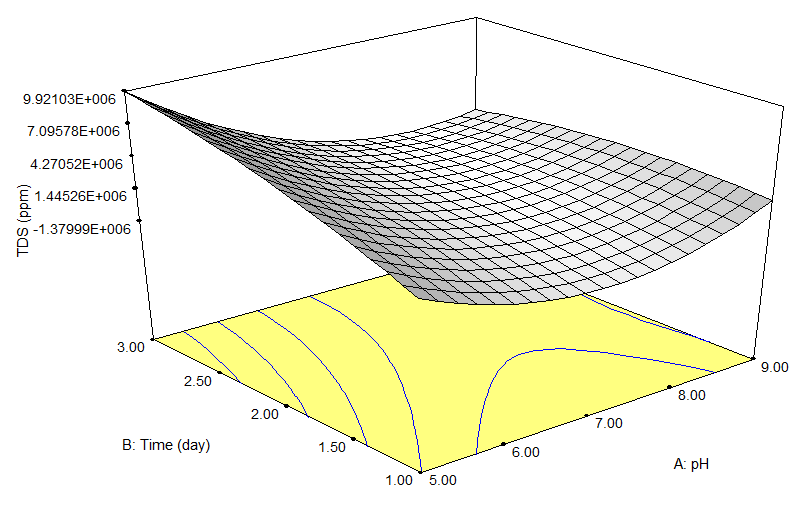
FIG6a

Published

2026-06-10

How to Cite

Bioelectrochemical transformation of synthetic waste from the Vaal region: effects of acetic acid, sugar, and salt on biogas production and electricity generation using a microbial fuel cell. (2026). African Scientific Reports, 5(2), 444. https://doi.org/10.46481/asr.2026.5.2.444

Issue

Section

ENGINEERING SECTION

How to Cite

Bioelectrochemical transformation of synthetic waste from the Vaal region: effects of acetic acid, sugar, and salt on biogas production and electricity generation using a microbial fuel cell. (2026). African Scientific Reports, 5(2), 444. https://doi.org/10.46481/asr.2026.5.2.444

Similar Articles

1-10 of 21

You may also start an advanced similarity search for this article.